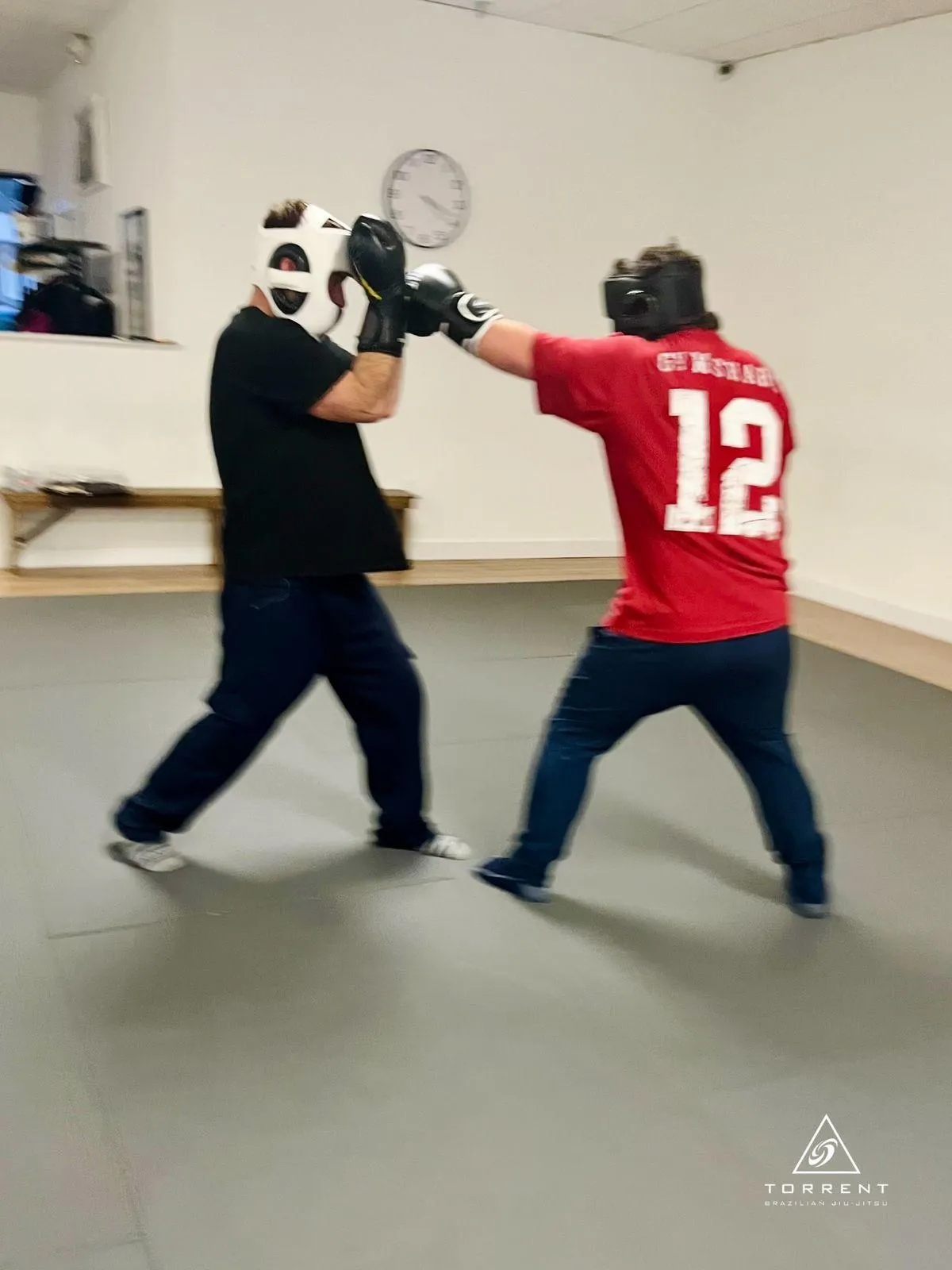
Master the Fundamentals: Footwork and Defense in Boxing
If you’re just starting out, it’s tempting to focus on punches—jabs, hooks, and knockouts. But ask any experienced coach or fighter, and they’ll tell you the same thing: great boxing is built on footwork and defense. These fundamentals are the foundation of boxing success, helping you move efficiently, stay balanced, avoid damage, and set up your offense.
In this beginner-friendly guide, you’ll learn the boxing basics of footwork and defense, discover simple drills you can practice anywhere, and understand common mistakes to avoid. If your goal is to learn boxing for beginners, this is where it all starts.
Why Footwork and Defense Matter in Boxing
Boxing isn’t just about hitting—it’s about not getting hit while staying in position to strike back. Strong boxing footwork allows you to control distance, angles, and rhythm. Solid boxing defense techniques protect you from clean shots and help you stay calm under pressure.
Think of it like this:
Footwork puts you in the right place.
Defense keeps you safe while you’re there.
Master these two skills early, and everything else—punching, combinations, and strategy—becomes easier.
Boxing Footwork Basics Every Beginner Should Know
1. Proper Boxing Stance
Your stance is the starting point for all movement and defense.
Key stance tips:
Feet shoulder-width apart
Lead foot slightly forward, rear foot at an angle
Knees bent, weight evenly distributed
Heels light, ready to move
Hands up, chin down
A good stance keeps you balanced so you can move, punch, and defend without falling off balance.
2. Moving Forward and Backward
Good boxers move smoothly—not by hopping or crossing their feet.
How to move correctly:
Step with the foot closest to the direction you’re moving
Slide the other foot to follow
Maintain your stance at all times
Practice tip: Imagine your feet are connected by an invisible rope—never let them cross or stretch too far apart.
3. Lateral (Side-to-Side) Movement
Lateral movement helps you avoid straight punches and create better angles.
Step to the left or right while staying low
Keep your chest facing your opponent
Stay balanced and ready to punch
This is a key part of effective boxing footwork and helps beginners avoid standing still.
4. Pivoting for Angles
Pivoting lets you rotate around your lead foot to change angles quickly.
Why pivoting matters:
Helps you escape pressure
Creates openings for counterpunches
Keeps you off your opponent’s center line
Beginner cue: Turn on the ball of your lead foot while rotating your hips and shoulders.
Essential Boxing Defense Techniques
1. Maintaining a Proper Guard
Your guard is your first line of defense.
Basic guard fundamentals:
Hands up near your cheeks
Elbows tucked in to protect the body
Chin down, eyes forward
A relaxed but disciplined guard helps block punches without freezing your movement.
2. Blocking
Blocking is one of the simplest boxing defense techniques for beginners.
Use your gloves to block head shots
Use elbows and forearms to protect the body
Blocking is most effective when combined with good footwork so you’re not absorbing repeated shots.
3. Parrying
Parrying involves lightly tapping or redirecting punches away.
Beginner tips for parrying:
Use small, quick movements
Don’t swat or overreach
Return your hand to guard immediately
Parrying works best against jabs and straight punches.
4. Slipping
Slipping is moving your head just enough to avoid a punch.
Bend slightly at the knees
Move your head left or right
Keep your eyes on your opponent
This defensive skill helps you conserve energy while staying in position to counter.
5. Bobbing and Weaving
Bobbing and weaving is a defensive motion that helps you avoid hooks and body shots.
Key points:
Bend at the knees, not the waist
Move in a U-shaped motion
Stay balanced and controlled
This technique pairs well with counterpunching and close-range fighting.
Beginner Drills to Improve Footwork and Defense
You don’t need fancy equipment to improve. Try these simple drills at home or in the gym.
Footwork Drills
Shadowboxing with movement: Focus on stepping, sliding, and pivoting
Square drill: Move forward, backward, and sideways around a box shape
Jump rope: Builds rhythm, balance, and light footwork
Defense Drills
Slip line drill: Use a rope or string to practice slipping side to side
Mirror shadowboxing: Practice guard, blocks, and head movement
Slow-motion defense: Practice parries and blocks with control
Consistency matters more than speed—start slow and build confidence.
Common Beginner Mistakes (and How to Fix Them)
Mistake 1: Standing flat-footed
✔ Stay light on your feet and ready to move
Mistake 2: Crossing your feet
✔ Always slide—never cross
Mistake 3: Dropping your hands
✔ Reset your guard after every movement
Mistake 4: Overreacting defensively
✔ Keep movements small and efficient
Awareness is the first step to improvement.
Final Thoughts: Build Confidence Through Fundamentals
Learning boxing doesn’t start with power—it starts with control. By mastering boxing footwork, sharpening your boxing defense techniques, and practicing these boxing basics consistently, you’ll build confidence, efficiency, and long-term skill.
Whether you’re training at home or in the gym, focus on progress over perfection. Keep practicing, stay patient, and trust the process. Strong fundamentals will carry you further than any single punch ever could.
Ready to level up? Lace up, stay disciplined, and keep learning—your boxing journey has just begun. 🥊